

When it comes to selecting a necklace, paying attention to hypoallergenic materials is critical for those with sensitive skin or metal allergies. In my experience as a jewelry specialist, choosing the right durable and hypoallergenic necklace can significantly impact a person’s comfort and overall health. Many individuals suffer from irritation, rashes, or even inflammation when exposed to common jewelry allergens such as nickel and base metals. This guide explains the benefits and features of hypoallergenic materials, the impact of common allergens, tips for selecting the right necklace, care and maintenance advice, and a comparison of durability, price, and safety. By understanding these factors, you can invest in jewelry that is not only stylish but also safe and comfortable for long-term wear.
What Are the Best Hypoallergenic Materials for Durable Necklaces?
Hypoallergenic necklaces must combine resistance to wear and corrosion with skin safety. The leading materials include:
- Titanium: Lightweight, highly resistant to corrosion, and very durable.
- Surgical-Grade Stainless Steel: Robust, low maintenance, and designed to minimize allergic reactions due to minimal nickel content.
- Niobium: Offers excellent biocompatibility and can be anodized in various colors.
- Platinum: A luxurious, dense metal with exceptional durability and minimal skin reaction.
- Nickel-Free Gold/Sterling Silver: Traditional options treated to remove nickel, ensuring a safe appearance without sacrificing style.
Why Is Titanium Considered a Top Hypoallergenic Metal?
Titanium is favored because it is extremely resistant to corrosion and very lightweight. Its natural oxide layer prevents metal ions from leaching into the skin, making it ideal for those with severe allergies. Titanium is strong, scratch-resistant, and maintains its aesthetic appeal even after prolonged use. Its use in medical implants underscores its biocompatibility, and anodizing allows for various color options without affecting its hypoallergenic properties.
How Does Surgical-Grade Stainless Steel Provide Safe Jewelry Options?
Surgical-grade stainless steel is engineered to have minimal nickel content, which reduces common allergic responses. Its passivation layer renders the metal inert, preventing irritation. This material is strong, resistant to scratches and corrosion, and remains cost-effective compared to premium metals. Its widespread use in medical applications confirms its safety and durability, making it a popular choice for everyday jewelry.
What Makes Niobium a Rare but Safe Choice for Necklaces?
Niobium is a less common material that offers excellent biocompatibility and resistance to oxidation. Easily anodized in various colors, it provides a unique option for those with severe allergies when other materials fail. Although its durability is moderate compared to titanium, its safety profile and appealing aesthetics make it an attractive, niche choice for hypoallergenic jewelry.
Why Choose Platinum for Luxury and Hypoallergenic Necklaces?
Platinum is synonymous with luxury and is one of the densest, most durable metals available. Its resistance to oxidation means it hardly ever causes skin reactions, even in highly sensitive individuals. While it is more expensive, platinum retains its luster and can be intricately designed, making it a favorite for heirloom and high-end pieces that combine elegance with long-lasting durability.
How to Identify Nickel-Free Gold and Sterling Silver Necklaces?
To ensure gold or sterling silver is hypoallergenic, look for products explicitly labeled “nickel-free” or “allergy-safe.” Higher karat gold typically has less nickel, reducing the allergy risk, while sterling silver that has been specially treated to remove nickel is also available. Always check the product specifications and certifications, and consider performing a patch test to confirm safety before full use.
How Do Common Jewelry Allergens Affect Sensitive Skin?

Allergens found in jewelry—particularly metals like nickel—can provoke skin reactions ranging from mild irritation to severe inflammation. The immune system may react to metal ions, causing redness, itching, rashes, and blistering. In some cases, prolonged exposure leads to chronic conditions such as eczema or contact dermatitis, which can disrupt daily life and compromise skin health.
To reduce risks, it is advisable to choose jewelry made from materials that have been clinically tested for hypoallergenic properties. Using protective coatings and maintaining proper skin hygiene through regular cleansing can help ease allergic reactions.
What Are the Symptoms of Nickel and Metal Allergies From Necklaces?
Common symptoms include: - Redness, itching, and swelling where the necklace contacts the skin. - Formation of small blisters or bumps. - Dry, flaky skin over time, which may lead to chronic eczema if exposure continues. Removing the source typically alleviates the symptoms, though repeated exposure can worsen the condition. Consulting a dermatologist is recommended if symptoms persist.
Which Metals Commonly Cause Allergic Reactions in Jewelry?
Nickel is the most common culprit behind allergic reactions. Other metals such as cobalt, copper, and even impurities in low-karat gold can also trigger issues. Although precious metals like gold and platinum are usually safe, alloys with added base metals may contain disruptive levels of nickel. Awareness of these allergens helps consumers choose jewelry that minimizes allergic reactions.
How Can You Avoid Allergic Reactions When Choosing Necklaces?
To avoid allergic reactions: - Prioritize materials known for being hypoallergenic (e.g., titanium, platinum, surgical-grade stainless steel). - Read product labels and certifications carefully. - Consider user reviews and recommendations. - Conduct a patch test before committing to extended wear. - Maintain regular cleaning to remove buildup of sweat, oils, or dust that could exacerbate irritation.
How to Choose the Right Hypoallergenic Necklace for Your Skin Type?
Selecting the right necklace involves balancing durability, aesthetic appeal, and skin compatibility based on your individual needs and known allergies.
First, consider the material composition—look specifically for labels that state “nickel-free” or “hypoallergenic.” Evaluate the necklace style; lighter, minimally designed chains and pendants are often preferable for sensitive skin as they reduce friction. The finish matters too—a smooth, polished surface is less likely to cause irritation compared to a rough finish.
Key factors include: 1. Material Certification: Ensure the product is clinically tested. 2. Design and Weight: Lightweight, streamlined designs minimize skin stress. 3. Finish Quality: A polished finish reduces friction. 4. Brand Reputation: Established brands with strict quality control and verified hypoallergenic claims are preferable. 5. Price vs. Quality: Investing in higher-quality materials often yields better long-term durability and skin safety.
What Factors Should You Consider for Durability and Allergy Safety?
Durability depends on the material’s resistance to wear, corrosion, and environmental effects. Materials like titanium and surgical-grade stainless steel are known for their long-lasting performance and minimal allergic reactions due to stable oxide layers. Additionally, quality construction—secure settings and polished finishes—can further prevent irritation and prolong the life of the necklace.
Which Necklace Styles Are Best for Sensitive Skin?
For sensitive skin, choose styles that minimize skin contact. Fine chains and lightweight pendants help distribute weight evenly and reduce pressure points, decreasing friction and irritation. Avoid overly ornate or heavy designs that may trap sweat or cause excessive contact, opting instead for smooth edges and minimal embellishments.
How Do Price and Brand Influence Hypoallergenic Jewelry Quality?
Higher-priced jewelry from reputed brands generally reflects superior material quality and craftsmanship, which in turn ensures better hypoallergenic properties. These brands often provide thorough disclosures on material composition and quality control, along with warranties and excellent customer support. Budget-friendly options exist but require careful scrutiny of labels and user feedback to ensure they meet safety standards.
What Are the Care and Maintenance Tips for Hypoallergenic Necklaces?

Proper care not only preserves the appearance of your necklace but also maintains its hypoallergenic properties by preventing buildup of allergens. Regular cleaning and appropriate storage are essential.
For cleaning, use a soft, lint-free cloth with a mild soap solution—avoid abrasive chemicals that could damage the metal’s protective oxide layer. After cleaning, thoroughly dry the necklace. Proper storage in a dry, cushioned jewelry box or pouch prevents scratches, tarnish, and contamination from other metals.
How Should You Clean Titanium and Stainless Steel Necklaces?
Use a mild soap solution with a soft brush or cloth to remove daily buildup. Rinse with lukewarm water and dry with a soft towel. Avoid abrasive or harsh chemicals to maintain the integrity of the oxide layer that protects against allergic reactions.
What Are the Best Practices for Storing Hypoallergenic Necklaces?
Store necklaces separately in a cushioned, dry box or pouch to avoid scratches and cross-contamination. Keep them away from direct sunlight and high humidity, as moisture can cause tarnishing and corrosion which may compromise their hypoallergenic qualities.
How Can You Identify and Remove Allergens From Your Jewelry?
Regularly inspect your necklace for signs of tarnish or residue, which can harbor allergens like sweat and oils. Clean gently using the steps outlined above. For those with extremely sensitive skin, consider professional cleaning or re-plating services if discoloration or damage appears.
How Do Hypoallergenic Materials Compare: Durability, Price, and Safety?
When comparing materials, consider three main factors—durability, cost, and safety.
- Durability: Titanium and platinum rank very high, while niobium and surgical-grade stainless steel also provide reliable performance.
- Price: Platinum is on the higher end; titanium offers a good balance of quality and cost; surgical-grade stainless steel is budget-friendly; niobium and nickel-free gold/sterling silver vary based on composition and treatment.
- Safety: All listed materials are designed to minimize allergic reactions. Certification and proven clinical testing help ensure that they are safe for prolonged skin contact.
What Are the Durability Ratings of Popular Hypoallergenic Metals?
- Titanium: Extremely strong and corrosion-resistant. - Surgical-Grade Stainless Steel: Very durable with high resistance to scratches. - Niobium: Moderately durable but effective when anodized. - Platinum: Exceptionally durable, ideal for heirloom pieces. - Nickel-Free Gold/Sterling Silver: Durability varies with treatment and karat but generally performs well when properly maintained.
How Do Prices Vary Among Hypoallergenic Necklace Materials?
Price differences largely reflect material rarity and production methods: - Platinum commands a premium. - Titanium is both affordable and high quality. - Surgical-grade stainless steel is cost-effective. - Niobium and treated gold/silver options span moderate to high price ranges depending on treatment and design.
Which Materials Offer the Best Balance of Hypoallergenic Properties and Style?
For everyday wear, titanium provides excellent durability and skin safety at a moderate price. Platinum is ideal for luxury pieces, offering unmatched durability and style. Surgical-grade stainless steel is a great budget option, while nickel-free gold and sterling silver cater to those desiring classic aesthetics with enhanced skin compatibility.
Where Can You Buy Trusted Hypoallergenic Necklaces?
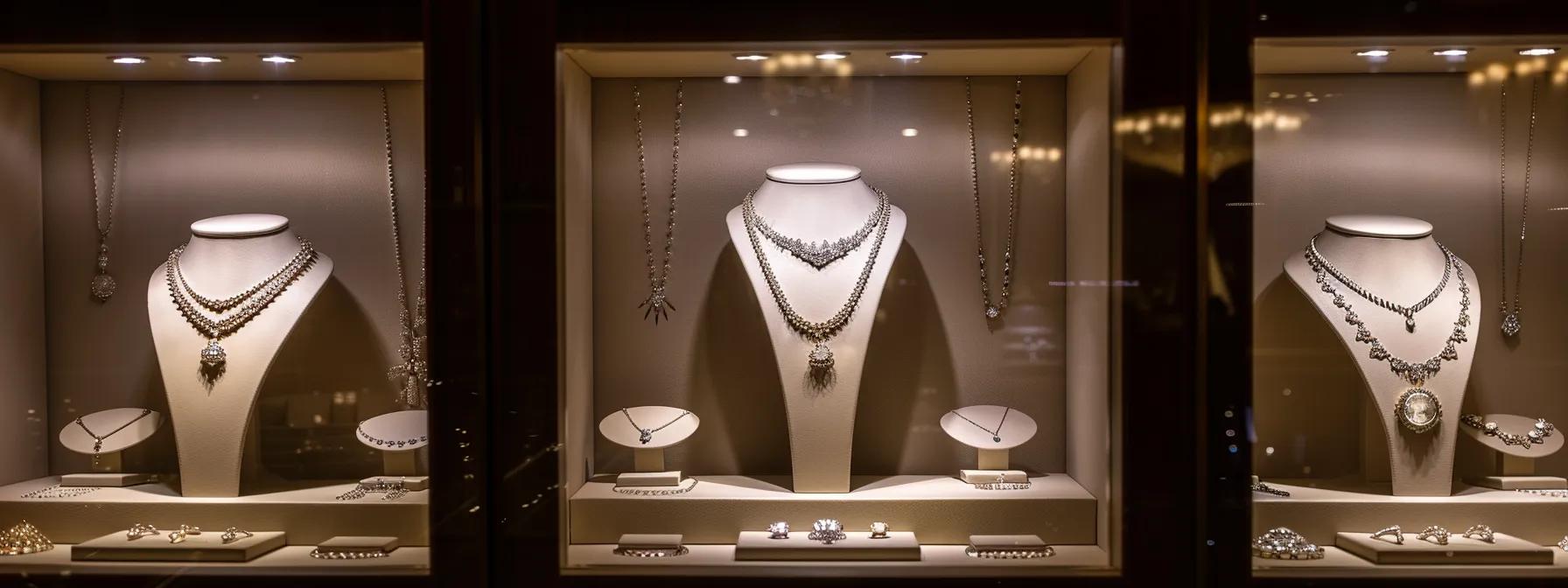
Trusted sources include established jewelry retailers and specialized online platforms like Larson Jewelers. These sellers provide detailed product specifications, certifications, and customer reviews which help verify the hypoallergenic claims and overall quality of the necklace.
What Are the Leading Brands Specializing in Hypoallergenic Necklaces?
Brands such as Larson Jewelers lead the market by focusing on premium hypoallergenic materials. Many of these companies offer customizable options, warranties, and transparent information about material sourcing and testing, ensuring you receive high-quality, safe jewelry.
How to Verify Material Authenticity and Hypoallergenic Claims?
Always request detailed product specifications or certification documents. Look for lab reports or ISO certifications, and check customer feedback. If needed, contact customer support for clarification before purchase.
What Online and in-Store Options Offer the Best Selection?
Both online and physical stores provide good options. Online platforms offer a broader range and detailed reviews, while brick-and-mortar stores allow you to examine the finish and weight of the necklace in person. Combining both methods can help you find the ideal piece.
What Are Frequently Asked Questions About Hypoallergenic Necklaces?
Below are common questions with concise answers based on industry experience.
What Is the Most Hypoallergenic Metal for Necklaces?
Titanium is widely considered the safest due to its strong resistance to corrosion and its natural oxide layer that prevents allergic reactions.
How Do I Know if I’m Allergic to Jewelry?
Watch for signs like redness, itching, swelling, or small blisters. A patch test—placing the jewelry against your inner arm for 24-48 hours—can help determine if you are allergic. Consult a dermatologist for confirmation.
Can Hypoallergenic Necklaces Cause Skin Irritation?
While designed to reduce irritation, factors such as improper cleaning or prolonged sweat exposure can sometimes cause mild reactions. Regular maintenance is key to minimizing risk.
How Long Do Hypoallergenic Necklaces Typically Last?
High-quality necklaces made from titanium or platinum can last for decades with proper care. Their durability and resistance to corrosion ensure they remain both functional and safe over time.
Frequently Asked Questions
Q: What are the benefits of choosing a hypoallergenic necklace over regular jewelry? A: Hypoallergenic necklaces significantly lower the risk of allergic reactions, ensuring comfort and safety for sensitive skin by preventing the release of allergenic metal ions.
Q: Is titanium truly safe for all skin types? A: Yes, titanium is widely recommended for sensitive skin due to its natural oxide layer that prevents metal ion leaching, greatly minimizing allergic reactions.
Q: How often should I clean my hypoallergenic necklace to ensure it remains safe and attractive? A: Weekly cleaning with mild soap and water is recommended to remove dirt, sweat, and oils, thus preserving both the appearance and safety of the necklace.
Q: Can I wear hypoallergenic necklaces during exercise or in humid conditions? A: Yes, these materials are robust and corrosion-resistant. However, it is advisable to rinse and dry your necklace after prolonged exposure to sweat or humidity.
Q: Where can I find reliable hypoallergenic necklaces with verified certifications? A: Trusted online retailers like Larson Jewelers and reputable physical jewelry stores offer extensive collections with clear certifications and detailed product information.
Final Thoughts
This guide has explored the best hypoallergenic materials for durable necklaces, highlighting the benefits of titanium, surgical-grade stainless steel, niobium, platinum, and nickel-free gold and sterling silver. By understanding their properties, care requirements, and relative costs, you can make an informed decision that ensures both style and long-term comfort for sensitive skin. Careful selection and proper maintenance are essential to maximize both the value and safety of your hypoallergenic necklace.


