

In the world of fine jewelry, selecting the perfect necklace means balancing durability, style, and budget. As a smart buyer, you want a piece that complements your wardrobe, meets your lifestyle needs, and stands the test of time. This article examines the key factors that affect the longevity of gemstone necklaces and simple chains, including material influences, design details, and maintenance practices. Along with real data and industry standards, you will learn how considerations such as gemstone hardness, chain alloy composition, and setting techniques guide a smart investment in a necklace that fulfills both aesthetic and functional requirements.
What Factors Determine the Durability of Gemstone Necklaces and Simple Chains?
Durability in necklaces depends on both the inherent strength of the materials and how the piece is engineered for daily wear. This section reviews gemstone hardness, necklace settings, chain materials, routine maintenance, and compares gemstone necklaces with simple chains.
How Does Gemstone Hardness Affect Necklace Durability?
Gemstone hardness directly influences a necklace’s ability to resist scratching and impact. The Mohs scale is a useful guide—diamonds score a 10 while opals score around 5.5–6. Hard gemstones like sapphire or diamond are more suited for active wear as they sustain less micro-abrasion and maintain their cut integrity over time. In contrast, softer gemstones may require extra care and are less ideal for daily use. When selecting a gemstone necklace, it is crucial to weigh both visual appeal and stone durability.
What Role Do Necklace Settings Play in Protecting Gemstones?
The setting of a necklace secures the gemstones and cushions them against impacts. A bezel setting, which encases the stone almost entirely, reduces chipping, while prong settings can expose the stone's edges despite offering more brilliance. Advances such as secure micro-prongs or hybrid settings that combine a bezel’s protection with prongs’ light entry have significantly improved gemstone safety. Well-engineered settings can prolong the life of a necklace by up to 40% compared to poorly designed ones, making the quality of the setting as important as the stone itself.
Which Materials Make Simple Chains More Durable?
Simple chains derive durability from the metal type and construction method. Sterling silver, gold, platinum, and alloys like titanium or stainless steel are common. Platinum is exceptionally durable due to its density and corrosion resistance, though it commands a higher price. Properly alloyed gold and sterling silver offer classic appeal with good durability, especially when enhanced with electroplating or annealing. Additionally, chain design—whether curb, rope, or figure-eight—affects strength. Tightly interlocking links distribute tension evenly, reducing weak spots where bending or corrosion might occur.
How Does Maintenance Influence the Longevity of Necklaces?
Regular cleaning, periodic check-ups, and proper storage are essential for extending the life of both gemstone necklaces and simple chains. A gentle cleaning with a soft brush and mild soap removes accumulated oils and dirt, preserving the stone’s brilliance. Storing pieces separately in a dry, non-abrasive environment minimizes tangling and prevents corrosion of metals like silver. Surveys suggest that a disciplined maintenance routine can extend jewelry life by 25–35% by identifying early damages and allowing timely repairs.
How Do Gemstone Necklaces and Simple Chains Compare Directly in Durability?
Gemstone necklaces, due to the vulnerability of the stones, often require additional protective features such as secure settings or backing. In contrast, simple chains rely on the metal's continuous integrity and can be engineered for high strength. Industry data indicates that a well-crafted gemstone necklace with a secure bezel or hybrid setting may last 10–15 years under regular use, while a premium platinum chain can remain pristine for over 20 years. Although both types demand care, the uninterrupted composition of simple chains generally offers a higher baseline durability.
What Are the Most Popular Styles of Gemstone Necklaces and Simple Chains?
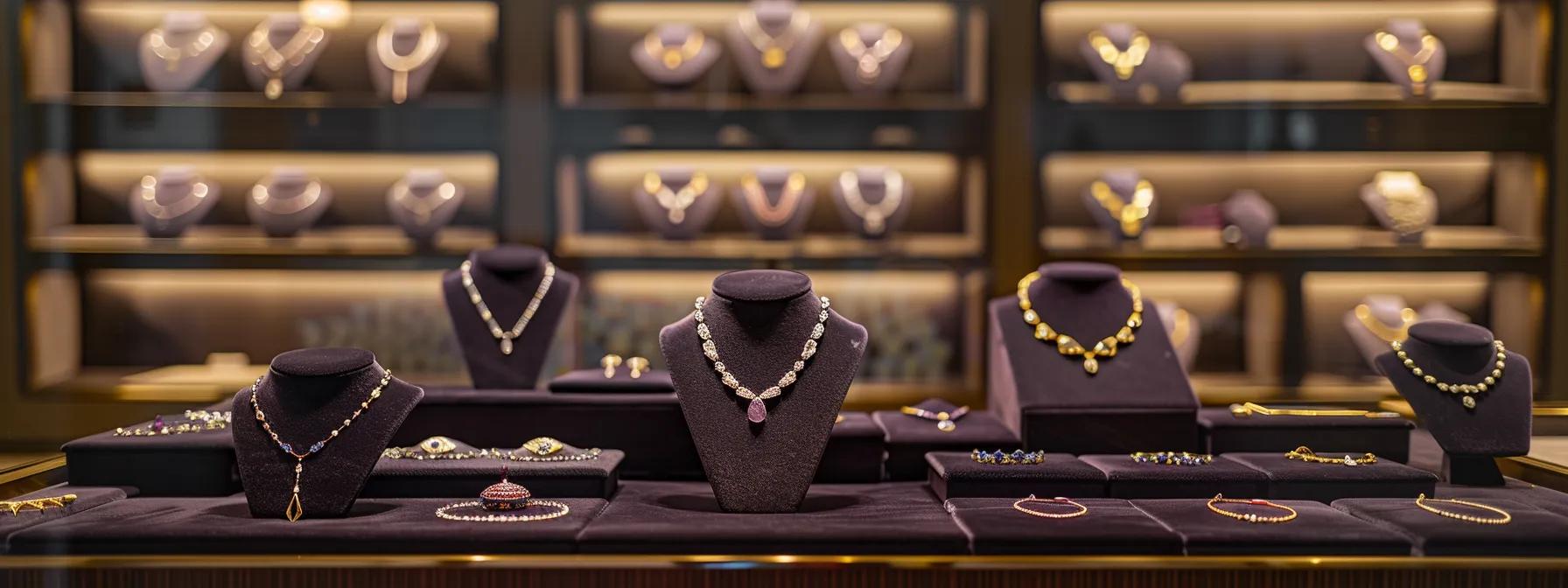
Style influences both the visual appeal and the functional use of necklaces for various occasions. This section summarizes popular designs, explores layering techniques, and discusses which styles suit different events.
What Are the Key Styles of Gemstone Necklaces?
Gemstone necklaces come in various styles to suit diverse tastes and events. Popular designs include: - Solitaire Pendants: Emphasize a single, high-quality gemstone, ideal for engagements or anniversaries. - Multi-Stone Arrangements: Combine different gemstones to create contrasting hues and textures. - Baroque and Art Nouveau Designs: Feature intricate detailing and organic forms for an artistic look. - Vintage-Inspired Settings: Offer a timeless, classic appeal. For instance, pairing an emerald accent with aquamarine can create a dynamic interplay of green and blue tones. These styles work for both formal and casual occasions.
Which Simple Chain Styles Are Trending and Versatile?
Simple chains remain a classic accessory that adapts easily to any style. Trending chain styles include: - Box Chains: Recognizable by square links and a sleek finish; suitable for all events. - Figaro Chains: Feature varied link sizes for a sophisticated yet understated look. - Rope Chains: Offer intricate texture and high durability. - Cuban Link Chains: Bold and muscular, making them a statement accessory. These chains can be worn alone or layered with a gemstone pendant for added style, making them popular among both everyday users and fashion influencers.
How Can You Layer Gemstone Necklaces With Simple Chains for Style?
Layering adds dimension and personalization. A common approach is to pair a delicate gemstone pendant with a bold Cuban link chain, creating contrast while maintaining balance. It is best to combine pieces with complementary colors and metal types—for example, a sterling silver pendant with a matching silver rope chain. Experts suggest using varying lengths to avoid visual clutter while ensuring each piece stands out.
What Occasions Suit Different Necklace Styles?
Necklace style can complement various settings: - Formal Occasions (e.g., weddings, galas, business dinners): Refined solitaire gemstone necklaces or minimalist chains in platinum or gold elevate the overall look. - Casual and Everyday Wear: Layered chains and multi-stone pendants add playful sophistication without overwhelming an outfit. - Unisex Designs: Versatile styles that work well in both professional and relaxed settings. Selecting a necklace that matches the occasion maximizes style and value while reducing the need for multiple pieces.
How Do Materials Influence the Value and Care of Gemstone Necklaces and Simple Chains?
Materials determine not only the cosmetic appeal and durability but also the long-term value and care requirements. This section discusses gemstone properties, chain metal characteristics, and the impact on pricing.
What Are the Properties and Care Requirements of Common Gemstones?
Common gemstones like diamonds, rubies, emeralds, sapphires, and amethysts each require specific care. For instance: - Diamonds: Extremely hard and resistant to scratching; need only routine cleaning. - Emeralds: Prized for their lush green color but are softer and may have natural inclusions; require gentle cleaning with warm, soapy water. - Rubies and Sapphires: Offer hardness suitable for daily wear but should be protected from harsh chemicals. Even lab-created versions may present improved consistency. Proper storage in soft pouches and regular professional cleaning help sustain their brilliance and longevity.
How Do Chain Materials Affect Style, Durability, and Maintenance?
Chain metals such as gold, sterling silver, platinum, and modern alloys like titanium or stainless steel offer varying aesthetics and durability: - Gold (14K/18K): Provides a classic, versatile look but tends to be softer. - Sterling Silver: Affordable and bright but is prone to tarnish and requires periodic polishing. - Platinum: Offers superior durability and hypoallergenic properties. - Modern Alloys: Such as titanium and stainless steel deliver high resistance to wear with low maintenance. Different materials require specific upkeep, such as frequent cleaning for silver versus simpler care for titanium.
How Does Material Choice Impact Necklace Pricing and Value?
The choice of material is critical in determining a necklace’s price and resale potential. Precious metals like platinum and gold fetch higher prices due to scarcity and heritage, while the quality and rarity of gemstones can significantly elevate a piece’s value. Ethical sourcing and hallmark certifications, such as those from the Gemological Institute of America (GIA), further enhance value by verifying authenticity. Thus, investing in high-quality materials often leads to better long-term durability and resale prospects.
How Can Smart Buyers Choose the Right Necklace Based on Durability, Style, and Budget?
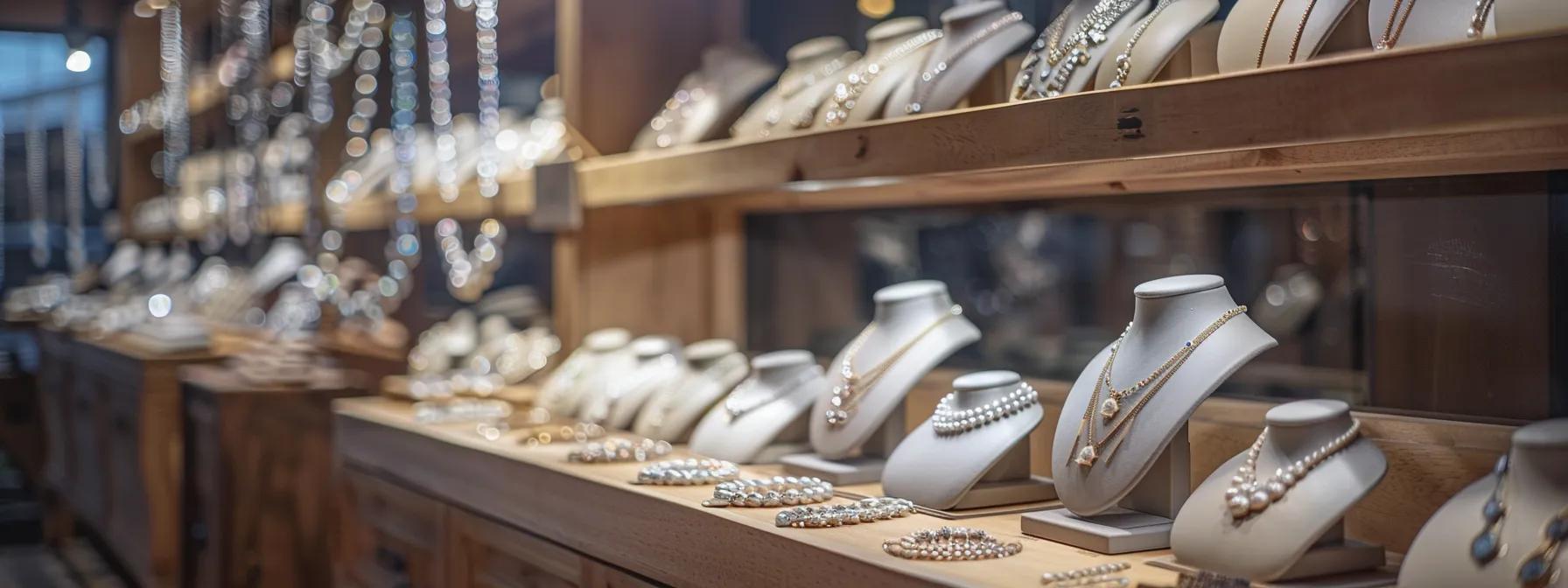
Smart buying involves balancing durability, style, and budget. This section outlines key considerations when selecting a necklace, including lifestyle, budget setting, and ethical sourcing.
What Should You Consider When Selecting a Necklace for Your Lifestyle?
Your lifestyle greatly influences the ideal necklace choice. Do you work in a hands-on environment or attend frequent formal events? Active lifestyles may require robust simple chains made of durable metals like platinum or titanium, while formal settings might favor intricately designed gemstone pieces with secure bezel settings. Additional factors, like skin sensitivity, might necessitate hypoallergenic options. Ultimately, a well-suited necklace should integrate seamlessly into your daily routine and personal aesthetic.
How Do You Set a Budget and Find the Best Value Necklace?
Setting a budget starts with evaluating the intrinsic value of the material, such as the type of metal, gemstone quality, and any certifications or hallmarks. A piece with a diamond or sapphire, for instance, might have a higher upfront cost but offers long-term durability and resale potential. Reviewing warranties and certification from reputable institutions like the GIA can also inform the cost-benefit analysis. Comparing prices and customer reviews helps in identifying pieces that provide enduring style at a reasonable price.
Why Is Ethical Sourcing Important When Buying Necklaces?
Ethical sourcing is increasingly significant for modern buyers. Purchasing necklaces made with responsibly sourced metals and gemstones supports environmental sustainability and fair labor practices. Certifications from organizations like the Responsible Jewellery Council (RJC) offer assurance of ethical production. Ethically sourced pieces may carry a premium but typically ensure higher quality and longer-lasting value, aligning with both your ethical standards and lifestyle needs.
What Are the Best Practices for Caring for Gemstone Necklaces and Simple Chains?
Proper care preserves the beauty and longevity of necklaces. This section covers recommended cleaning, storage, and maintenance practices.
How Do You Clean and Store Gemstone Necklaces Safely?
Gently clean gemstone necklaces with a soft microfiber cloth for daily maintenance. For deeper cleaning, use a mild dish soap solution with warm water and a soft toothbrush to remove buildup around settings. Rinse thoroughly and let the piece air dry on a soft surface. Store the necklace in a padded jewelry box or soft pouch, and consider anti-tarnish bags for metals like sterling silver to prevent oxidation.
What Are the Recommended Maintenance Tips for Simple Chains?
Simple chains benefit from regular inspection and cleaning. Wipe them with a soft cloth to remove oils that cause tarnishing, especially for silver pieces. For more thorough cleaning, soak the chain briefly in warm water mixed with mild soap, brush gently, then rinse and dry completely. Storing chains individually prevents scratches and tangling. Professional cleaning once a year can help detect early signs of damage and ensure continued durability.
How Can You Protect Your Necklaces to Extend Their Lifespan?
Apart from regular cleaning, protect your necklaces from harsh chemicals such as perfumes and lotions, which can erode metal surfaces and dull stone brilliance. Remove necklaces during vigorous activities to avoid snagging or impacts. For high-value items, consider insurance and periodic evaluations by a professional jeweler. Using custom-made jewelry boxes with soft linings minimizes friction and preserves both aesthetic appeal and structural integrity over time.
What Are Common Questions Smart Buyers Ask About Necklace Durability and Style?
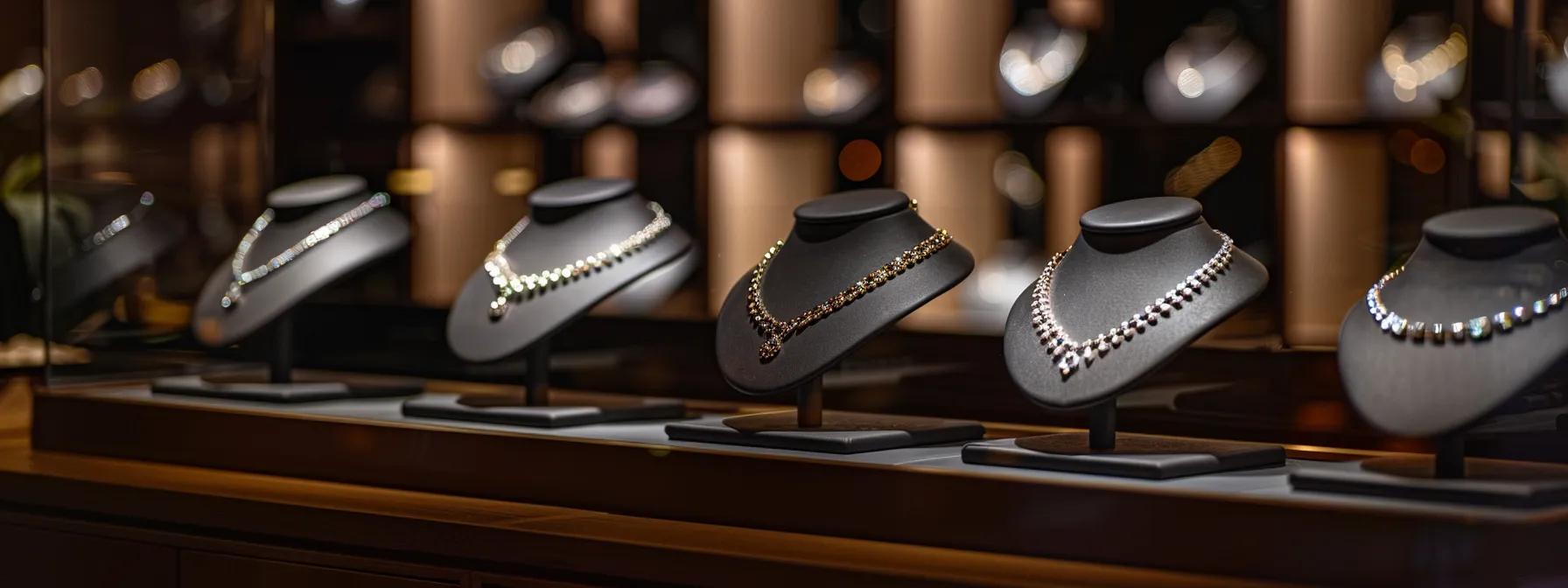
This section answers frequently asked questions regarding the practical aspects of necklace durability and style.
Which Is More Durable: Gemstone Necklaces or Simple Chains?
Simple chains made from durable metals like platinum or titanium tend to resist damage and tarnish better than gemstone necklaces, which depend on fragile stones and settings. However, gemstone necklaces featuring hard stones like diamonds or sapphires in protective bezel settings can also be highly durable. The choice depends on intended usage and maintenance.
How Long Do Gemstone Necklaces Typically Last?
With proper care, many gemstone necklaces are designed to last for decades. A diamond or sapphire necklace with secure settings may maintain its quality for 20–30 years, while pieces with softer gemstones might require more frequent repairs and careful handling.
What Are the Best Materials for Necklaces That Resist Tarnishing?
For minimal tarnish and corrosion, platinum, titanium, and rhodium-plated metals are recommended. Platinum remains bright and durable, while titanium provides a modern, hypoallergenic alternative that requires little maintenance. Rhodium plating on white gold or sterling silver further protects against oxidation.
How Do You Choose a Necklace Style That Matches Your Wardrobe?
Choosing the right style starts by considering your personal aesthetic and the typical neckline of your outfits. A solitaire gemstone pendant in a simple setting offers a classic, elegant look, while a sleek, thin chain in gold or platinum suits modern minimalism. For a bohemian or eclectic vibe, layered necklaces can add dynamic texture and color, ensuring your accessory complements your wardrobe seamlessly.
How Does Market Trend Data Influence Necklace Choices for Smart Buyers?
Market trends influence the design and material choices in necklaces, guiding smart buyers on where to invest.
What Are Current Consumer Preferences in Necklace Styles and Materials?
Recent trends favor minimalist designs and versatile pieces that transition easily from day to night. Consumers appreciate high-quality simple chains and gemstone necklaces that incorporate unique stones like aquamarine, topaz, or opal. There is also a strong emphasis on hypoallergenic materials and superior longevity, which consistently receive favorable reviews.
How Is Demand for Ethically Sourced and Sustainable Necklaces Growing?
Ethically sourced jewelry is gaining popularity as consumers become more aware of environmental and social issues. Pieces certified by organizations such as the Responsible Jewellery Council not only meet higher quality standards but also align with ethical values. This shift toward eco-conscious buying is reshaping the market and increasing sales in sustainable segments.
What Are the Projected Growth Areas in the Necklace Jewelry Market?
The market is expanding toward customizable, versatile designs that blend traditional craftsmanship with modern technology. Digital platforms now allow personalization options—from engraving to choosing specific gemstone cuts. Analysts forecast a 15–20% growth in ethically sourced, personalized necklaces over the next five years, driven by increased digital shopping and consumer awareness.
Frequently Asked Questions
Q: How often should I clean my gemstone necklace? A: Clean your gemstone necklace every one to two weeks if worn regularly using a gentle solution of warm water and mild soap. Thorough drying with a soft cloth is advised, and professional cleaning annually can help protect delicate stones.
Q: Is a platinum chain always better than gold for daily wear? A: Platinum chains are extremely durable and hypoallergenic, ideal for daily use. However, high-quality 14K or 18K gold chains—with proper protective settings—also provide excellent durability. The choice depends on your personal style and budget.
Q: Can I wear a layered necklace combination every day? A: Yes. High-quality chains and securely set gemstone pendants make daily layering both fashionable and practical. Just ensure the pieces are designed for regular wear to avoid undue damage.
Q: What are the signs that my necklace needs professional repair? A: Look for loose settings, missing prongs, bending links, or visible metal wear. Early professional inspection can prevent further damage and protect the integrity of the piece.
Q: How do ethical sourcing certifications affect the cost of a necklace? A: While ethical certifications might increase cost due to higher production standards, they also ensure superior durability, material quality, and responsible practices, often making the piece a worthwhile long-term investment.
Q: What is the average lifespan of a well-maintained gemstone necklace? A: With proper care, a high-quality gemstone necklace can last for several decades. Pieces made of durable materials and maintained regularly often become family heirlooms.
Q: Can I mix different chain styles when layering necklaces? A: Absolutely. Varying chain lengths and textures can create a dynamic, personalized look. Just ensure that the pieces harmonize in color and metal type to form a balanced ensemble.
Final Thoughts
This article has outlined the factors that determine the durability and style of gemstone necklaces versus simple chains. By considering material properties, design details, care practices, and current market trends, smart buyers can choose a necklace that not only elevates their look but endures daily wear. Ultimately, whether you select a robust simple chain or an intricately designed gemstone necklace, understanding these nuances ensures a wise investment that reflects personal taste and becomes a cherished accessory for years to come.


