

The beauty of a female wedding ring lies in its elegant design and lasting shine, symbolizing cherished memories and enduring love. Over time, dirt, oil, and pollutants can dull even the most precious metal. This guide offers expert tips on maintaining your ring’s sparkle through regular cleaning, DIY methods, proper storage, and professional care. Learn specific cleaning steps for materials like gold, platinum, and diamond rings, while avoiding harsh chemicals that could cause damage. Maintaining your ring is essential both for its aesthetic appeal and structural integrity.
By addressing daily cleaning, long-term maintenance, and timely repairs, every ring owner can benefit from these actionable insights. This concise guide combines scientific explanations with practical examples to help engaged couples and jewelry shoppers preserve their ring’s brilliance. Let’s dive into effective ways to ensure your ring’s enduring shine.
How Often Should I Clean My Female Wedding Ring to Maintain Its Sparkle?
Regular cleaning prevents tarnish and buildup. For most wearers, a weekly cleaning is sufficient to remove oils, sweat, and contaminants that dull the shine and weaken the metal. If you work in environments with chemicals or engage in vigorous activities, more frequent cleaning is advisable. Additionally, a professional clean every six to eight months can remove stubborn buildup that home methods may miss, ensuring that both the ring’s shine and structural integrity are maintained.
What Is the Recommended Cleaning Schedule for Different Ring Materials?
Gold rings respond well to weekly cleaning with a simple soap and water mixture. Platinum, being more resilient, may only require gentle cleaning on a biweekly basis. Diamond rings, sensitive to oil buildup that can affect diamond cut and clarity, should be cleaned at least once a week. Gemstone rings vary; delicate stones like opals or emeralds may need a gentler, less frequent cleaning based on manufacturer recommendations. Always follow expert advice regarding the use of ultrasonic cleaners, which might not be suitable for all compositions.
When Should I Opt for Professional Ring Cleaning Services?
Professional cleaning becomes necessary when grime or residue builds up beyond the reach of at-home methods. If you notice stubborn tarnish, micro-abrasions, or dirt in intricate settings, a professional jeweler can use ultrasonic baths or steam cleaning to restore your ring’s luster. Rings with delicate gemstones or complex designs especially benefit from inspections and cleaning every six to eight months to prevent cumulative damage.
How Does Regular Cleaning Prevent Ring Damage and Dullness?
Routine cleaning removes oils, sweat, and contaminants that wear away the microscopic surface of your ring. Over time, these substances can obscure the ring’s natural shine and cause corrosion or scratching. Maintaining a regular cleaning schedule prevents these corrosive agents from interacting with the precious metal, preserving both its aesthetic appeal and integrity.
What Are the Best DIY Cleaning Methods for Female Wedding Rings?
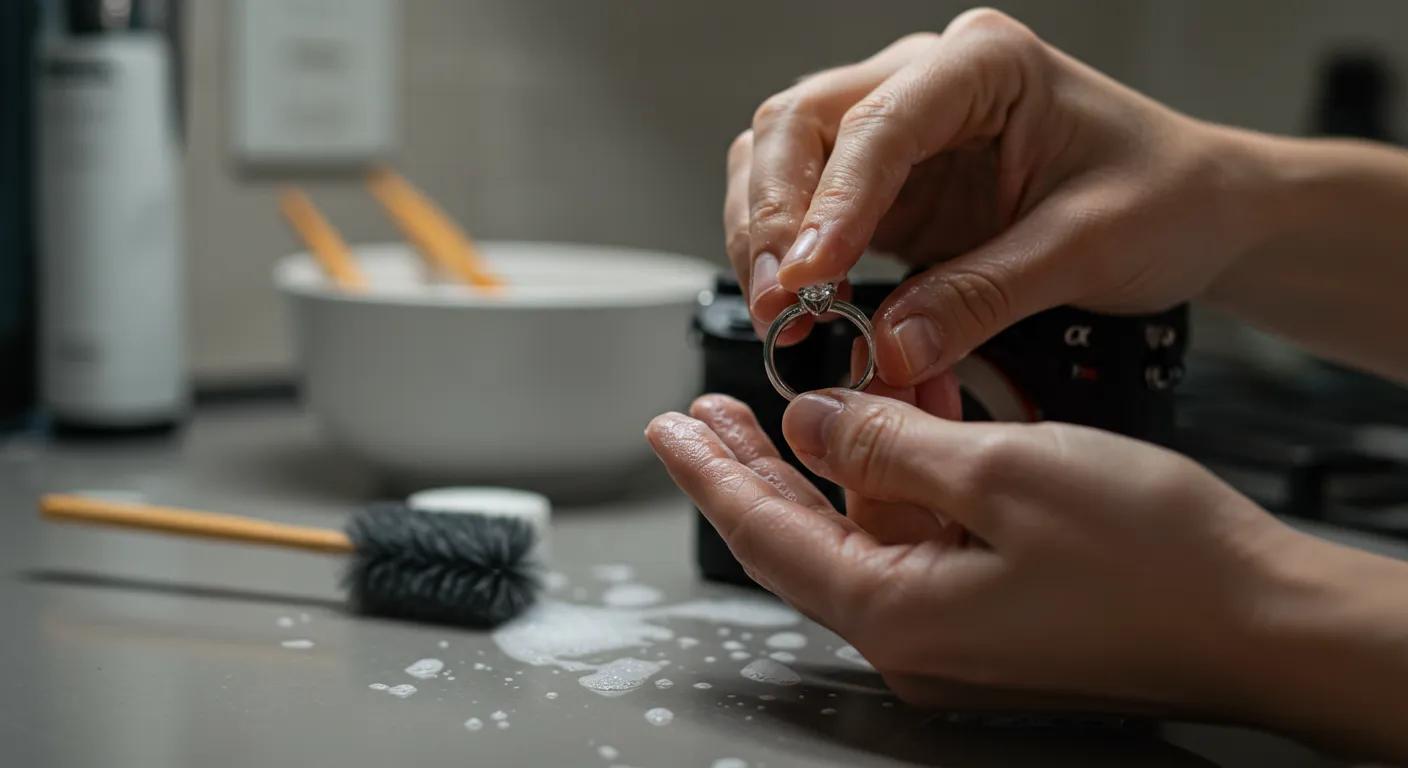
DIY cleaning is both economical and effective when performed carefully. Using the correct techniques and tools minimizes risk to precious metals and settings.
How Can I Safely Clean Diamond Rings at Home?
To safely clean diamond rings, prepare a solution of mild dish soap and warm water. Soak the ring for 20–30 minutes to loosen embedded grime. Use a soft toothbrush around the bezel or prong settings to gently dislodge dirt without scratching the diamond. Rinse under warm running water and pat dry with a soft towel or microfiber cloth to restore the diamond’s brilliance.
What Cleaning Solutions and Tools Are Safe for Gold and Platinum Rings?
For gold and platinum rings, mix warm water with a few drops of mild dish soap or ammonia. Gently scrub the ring with a soft, non-abrasive toothbrush. Gold’s alloy is less reactive, making it more tolerant of these methods, while platinum benefits from gentle cleaning that keeps its natural luster intact. Always use soft brushes, microfiber cloths, and non-abrasive pads to prevent scratches and preserve the precious metal.
Which Common Household Products Should I Avoid When Cleaning My Ring?
Avoid abrasive household products such as bleach, acetone, and overly acidic cleaners. Toothpaste, though popular, is abrasive and can erode the ring’s finish or remove plating like rhodium from white gold. Additionally, using paper towels to scrub may deposit fibers that trap dirt. Stick to recommended, jewelry-specific cleaning solutions to avoid damage.
How Do I Use Soft Cloths and Brushes Effectively for Ring Cleaning?
Always opt for soft, lint-free microfiber cloths to pat dry your ring after cleaning. When using a soft brush, work in gentle, circular motions focused on areas around settings and engravings where dirt tends to accumulate. Rinse thoroughly and avoid vigorous rubbing to prevent microscopic scratches, ensuring that your ring maintains its natural sparkle.
How Can I Protect My Wedding Ring From Damage and Loss?
Beyond cleaning, protecting your ring from physical and environmental hazards is vital. Adopting proper storage and removal practices can significantly reduce risks.
What Are the Best Practices for Storing Wedding Rings Safely?
Proper storage is crucial when you are not wearing your ring. Use padded jewelry boxes or soft pouches designed specifically for rings to prevent scratches. Store rings separately from other jewelry to avoid collisions that can cause dents or kinks. For extra security, consider a safe or lockbox—especially for heirloom pieces—and store your ring in a humidity-controlled environment to reduce tarnish and corrosion.
When Should I Remove My Ring to Avoid Damage?
Remove your ring during activities that expose it to potential hazards. This includes swimming in chlorinated or saltwater pools, heavy manual labor, using harsh chemicals during household cleaning, or engaging in vigorous sports. Removing your ring in such instances helps protect it from impact, abrasion, and chemical exposure.
How Can Ring Insurance and Protection Plans Help Preserve My Ring?
Investing in ring insurance or a protection plan offers financial protection by covering repair or replacement costs in case of damage, theft, or loss. Many insurance plans include coverage for professional cleaning and repairs. This type of financial safeguard ensures that even if your ring suffers an accident, its sentimental and monetary value can be preserved with minimal burden.
How Do I Care for Different Wedding Ring Materials to Keep Them Sparkling?
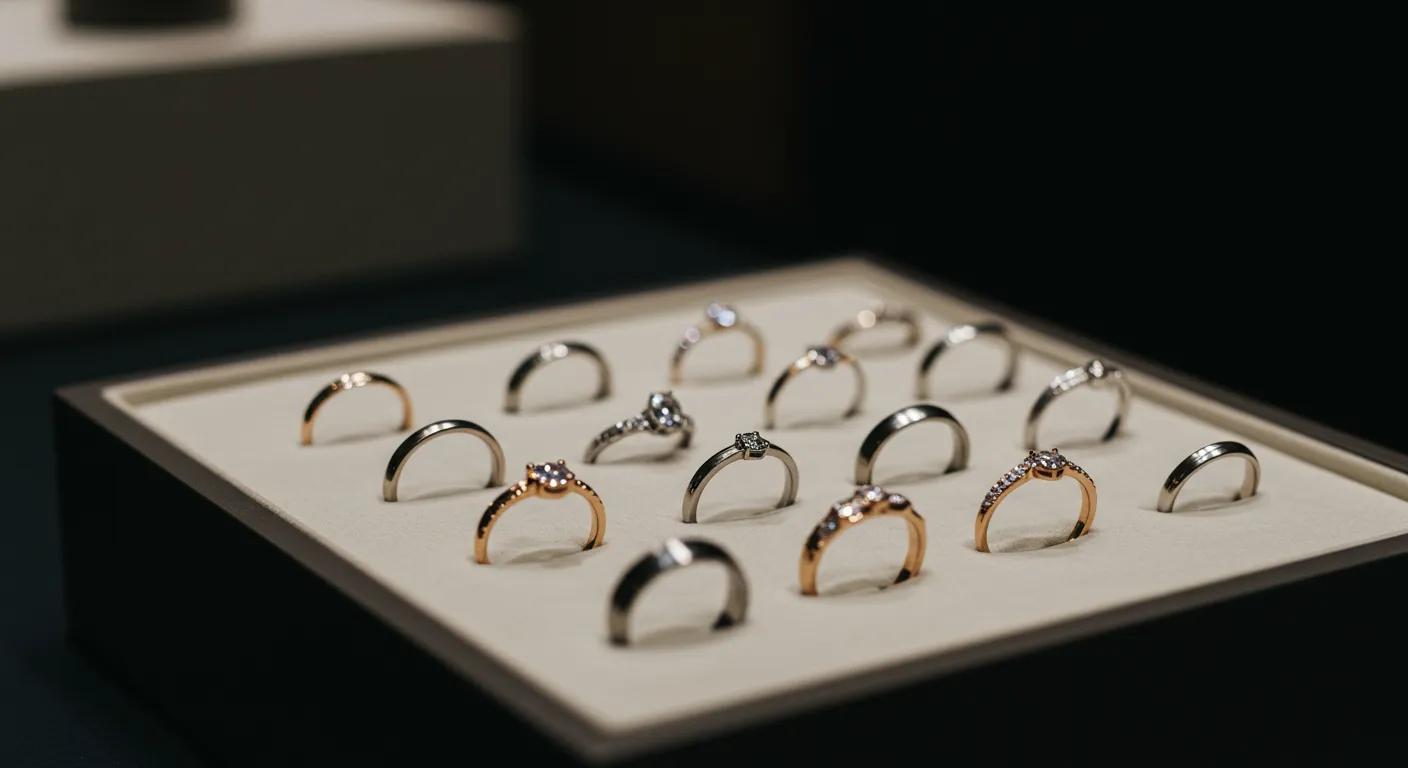
Each ring material has specific care requirements due to differing characteristics and vulnerabilities. Tailor your maintenance routine to the material of your ring for optimal results.
What Are the Best Care Tips for Gold Wedding Rings?
Gold is cherished for its warm tone and durability, yet it does require gentle care. Regularly clean gold rings with a mild soap and water blend and pat dry with a microfiber cloth. Avoid exposure to chlorinated or saltwater, as these can cause tarnish. When engaging in physical activity, remove the ring to prevent scratches. Periodic professional evaluations help check for loose settings or signs of plating wear, particularly if the ring features diamonds or other gemstones.
How Should I Maintain Platinum Wedding Rings?
Platinum is extremely durable and hypoallergenic but can develop fine scratches over time. Clean platinum rings with lukewarm water and a soft brush during routine maintenance. Because platinum does not tarnish like gold, focus on removing dirt and oils regularly. Occasional professional polishing can restore its reflective surface and help maintain the ring’s pristine appearance.
What Special Care Does a Diamond Ring Require?
Diamond rings require extra attention because the diamond’s brilliance can be diminished by oily residues and dirt buildup. Clean your diamond ring weekly with a mild soap solution, gently brushing the diamond with a soft toothbrush. Rinse well with warm water and dry with a microfiber cloth. Frequent professional cleaning and inspections ensure that no loose settings or micro-abrasions compromise the diamond’s clarity and security.
How Do I Care for Gemstone Wedding Rings?
Gemstone rings require careful handling due to the inherent fragility of some stones. For softer stones like opals or emeralds, avoid harsh cleaning methods—ultrasonic cleaners may be too aggressive. Instead, use a gentle brush with a mild soap solution and avoid prolonged exposure to sunlight or chemicals to prevent fading or cracking. Professional inspections are recommended to ensure secure settings and to address any damage promptly.
How Can I Maintain and Repair My Wedding Ring to Ensure Longevity?
Long-term care is essential for preserving both the sentimental value and the structural integrity of your wedding ring. Regular inspections and timely repairs can prevent minor issues from evolving into major problems.
How Often Should I Have My Ring Inspected by a Jeweler?
An annual inspection by a professional jeweler is advisable to catch early signs of wear, such as loose prongs or cracks. Regular inspections enable minor issues to be addressed before they become serious and involve a buildup that typical at-home cleaning may not remove. This proactive approach helps ensure that your ring remains brilliant and structurally sound.
What Are the Signs That My Ring Needs Repair?
Watch for signs of damage such as loose or misaligned stones, noticeable scratches, or changes in the ring’s structure—like bending or warping. A decline in sparkle may indicate that the setting is weakening. If your ring feels insecure or uncomfortable, these signs suggest that professional repair is needed to prevent further damage and maintain its sentimental value.
How Do I Find a Reputable Jeweler for Ring Repairs and Resizing?
Choose a jeweler with established credentials such as certification from the Gemological Institute of America (GIA). Read customer reviews, seek personal referrals, and ensure that the jeweler offers a warranty on their repairs. Transparent pricing and clear communication about the repair process are also important indicators of a reputable service provider.
What Are Common Ring Repairs and How Do They Affect Sparkle?
Typical repairs include prong tightening, stone resetting, and polishing of the band. These procedures restore the ring’s sparkle and ensure that each stone remains securely in place. Although repairs might require temporarily removing your ring from use, they are essential for maintaining its overall brilliance and longevity.
How Do Different Ring Settings Affect Care and Cleaning?

The design and setting of your ring significantly influence its cleaning and maintenance routine. Different settings come with unique challenges, so understanding them is key to proper care.
What Are the Best Care Practices for Prong Settings?
Prong settings, which showcase the diamond well, can trap debris in the open spaces around the stone. Use a soft toothbrush to gently clean around the prongs and remove any buildup without damaging them. Regular professional checks are useful to ensure that the prongs remain secure and that no loose stones develop from accumulated debris.
How Should I Clean and Protect Bezel Settings?
Bezel settings encircle the stone completely, offering strong protection. However, the tight metal frame can trap dirt along its edge. Clean bezel settings with a soft brush along the rim, and polish with a microfiber cloth to maintain the smooth finish. Since the stone is held securely, detailed cleaning on a less frequent basis is often sufficient unless visible abrasions occur.
What Special Attention Do Channel Settings Require?
Channel settings house multiple stones between grooves in the band, which can accumulate oils and dirt more easily. Use a soft brush with warm, soapy water to carefully clean between the stones. Regular professional cleaning can help ensure that the channels remain clear and that stones do not shift due to accumulated debris.
How Can I Identify and Address Setting Issues Early?
Regular inspections at home and by a professional will help you detect early signs of setting issues, such as loose stones or uneven light reflection. Document any changes you observe and have them checked by your jeweler to address minor adjustments before more serious damage occurs. Early intervention is key to preserving the overall integrity and sparkle of your ring.
What Are the Most Common Mistakes to Avoid When Caring for My Wedding Ring?
Even with the best care routines, mistakes can occur that may damage your ring over time. Avoiding these common pitfalls is essential for long-term preservation.
Why Should I Avoid Harsh Chemicals and Abrasive Materials?
Using harsh chemicals like bleach, acetone, or even toothpaste can strip protective coatings and scratch the surface of your ring. Abrasive materials and rough cloths can wear down the metal and remove plating (such as rhodium on white gold), ultimately dulling the ring’s finish. Always opt for mild, jewelry-approved cleaning solutions and soft cleaning tools.
How Can Improper Storage Cause Ring Damage?
Storing your ring improperly—such as in a pile with other jewelry—can lead to scratches, dents, and even bending due to friction and impact. Use padded compartments or dedicated pouches to separate and protect your ring from other items, minimizing physical damage and chemical exposure from environmental factors.
What Are the Risks of Neglecting Regular Cleaning and Maintenance?
Neglecting regular maintenance leads to an accumulation of oils, sweat, and pollutants that can dull the metal and reduce sparkle. Without periodic professional inspections, small damages might go unnoticed and escalate into costly repairs. A consistent cleaning and inspection schedule is essential to preserving both the appearance and structural integrity of your ring.
How Do I Protect My Wedding Ring From Damage and Loss?
Protecting your ring goes beyond cleaning. Follow these guidelines for long-term preservation:
What Are the Best Practices for Storing Wedding Rings Safely?
Use a dedicated jewelry box or safe with individual compartments to avoid scratches and collisions. A soft pouch is ideal for travel, and storing your ring away from high humidity and chemicals prevents tarnish and corrosion.
When Should I Remove My Ring to Avoid Damage?
Remove your ring during activities like heavy cooking, using cleaning chemicals, sports, or exposure to harsh environments such as chlorinated water. This minimizes the risk of impact, abrasion, or chemical exposure that could compromise the ring’s integrity.
How Can Ring Insurance and Protection Plans Help Preserve My Ring?
Ring insurance protects against theft, damage, and loss by covering repair or replacement costs. Many plans include professional cleaning and maintenance, providing financial peace of mind while preserving the ring’s value and beauty.
How Do I Care for Different Wedding Ring Materials to Keep Them Sparkling?
Tailor your cleaning routine according to your ring’s material for optimal longevity.
What Are the Best Care Tips for Gold Wedding Rings?
Clean gold rings weekly with a mild soap solution, followed by drying with a microfiber cloth. Avoid harsh chemicals such as chlorinated water, and remove the ring during strenuous activity. Regular professional checks ensure loose settings and worn plating are promptly addressed.
How Should I Maintain Platinum Wedding Rings?
Use lukewarm water and a soft brush to clean platinum rings, which are less likely to tarnish but may develop micro-scratches. Occasional professional polishing helps maintain platinum’s natural shine while preventing the buildup of dirt and oil.
What Special Care Does a Diamond Ring Require?
Diamond rings need weekly cleaning with a mild detergent solution to remove oil and dirt. Gently brush around the diamond, rinse well, and dry with a microfiber cloth. Regular professional inspections are essential to check for loose settings and maintain the diamond’s clarity.
How Do I Care for Gemstone Wedding Rings?
For gemstone rings, choose cleaning methods appropriate to the stone’s fragility. Avoid ultrasonic cleaners for delicate gems like opals or emeralds. Use a gentle soap solution and soft brush, and store the ring away from direct sunlight to prevent fading. Periodic professional inspections ensure secure settings and address any damage early.
How Can I Maintain and Repair My Wedding Ring to Ensure Longevity?
Consistent long-term care and timely repairs are crucial for preserving your ring’s beauty and structural integrity.
How Often Should I Have My Ring Inspected by a Jeweler?
An annual inspection is recommended to identify any early signs of wear, such as loose prongs or minor cracks. This proactive approach helps catch issues before they escalate and maintains your ring’s brilliance.
What Are the Signs That My Ring Needs Repair?
Watch for loose or misaligned stones, noticeable scratches, or structural changes such as bending. A decline in sparkle or discomfort while wearing the ring may indicate that a repair is needed. Early intervention is key to preventing further damage.
How Do I Find a Reputable Jeweler for Ring Repairs and Resizing?
Select a jeweler certified by reputable organizations like the GIA. Customer reviews, personal referrals, and transparent pricing practices are important. A jeweler who offers warranties on repairs and explains the repair process clearly is ideal.
What Are Common Ring Repairs and How Do They Affect Sparkle?
Common repairs include prong tightening, stone resetting, and band polishing. These fixes enhance the ring’s sparkle by ensuring stones are secure and the metal’s shine is maintained. Timely repairs help safeguard the ring’s structural integrity over time.
How Do Different Ring Settings Affect Care and Cleaning?
The design of your ring influences how it should be cared for.
What Are the Best Care Practices for Prong Settings?
Prong settings, while showcasing the diamond, can collect debris. Gently brush around each prong with a soft toothbrush and have periodic professional inspections to ensure the prongs remain secure.
How Should I Clean and Protect Bezel Settings?
For bezel settings, focus on cleaning the metal edging around the stone with a soft brush, and polish with a microfiber cloth to maintain a smooth finish. These settings generally require less frequent cleaning due to their secure structure.
What Special Attention Do Channel Settings Require?
Channel settings can accumulate oils and dirt between stones. Clean these areas with warm, soapy water and a soft brush, and schedule periodic professional examinations to prevent any stones from loosening due to debris buildup.
How Can I Identify and Address Setting Issues Early?
Regularly check for signs of movement in the stones or changes in light reflection patterns. Early detection and discussion with your jeweler will allow for minor setting adjustments before any severe damage occurs.
What Are the Most Common Mistakes to Avoid When Caring for My Wedding Ring?
Avoiding common maintenance errors preserves the ring’s beauty and value.
Why Should I Avoid Harsh Chemicals and Abrasive Materials?
Harsh chemicals like bleach and acetone, as well as abrasive cleaners like toothpaste, can damage the protective coating and scratch the metal surface. Stick to mild, jewelry-specific cleaning agents to prevent degradation of the finish and plating.
How Can Improper Storage Cause Ring Damage?
Storing your ring with other jewelry or in unprotected environments exposes it to scratches, dents, and chemical exposure. Use a padded jewelry box or a dedicated pouch to prevent physical and chemical damage.
What Are the Risks of Neglecting Regular Cleaning and Maintenance?
Failure to clean your ring regularly can lead to buildup of oils, sweat, and pollutants, resulting in a dull appearance and potential corrosion. Neglect may also allow small damages to worsen over time, leading to more costly repairs. A consistent routine is essential to maintain both sparkle and structural integrity.
Frequently Asked Questions
Q: How often should I clean my wedding ring at home? A: Clean your ring at home once a week using a mild soap solution and a soft brush. Increase the frequency if you are exposed to chemicals or dirt, and consider a professional cleaning every six to eight months.
Q: Can I use toothpaste to clean my wedding ring? A: No, toothpaste is too abrasive and can scratch your ring’s surface, especially for softer metals and delicate settings. Use only jewelry-approved cleaning solutions or a mix of warm water and mild soap.
Q: When should I remove my wedding ring to avoid damage? A: Remove your ring during activities that involve heavy labor, exposure to harsh chemicals, or swimming in chlorinated/saltwater pools. This prevention minimizes scratches and other damage.
Q: How can I tell if my wedding ring needs professional repair? A: Signs include loose stones, visible scratches or dents, a decline in sparkle that home cleaning cannot fix, or discomfort when worn. Annual inspections are recommended to catch these issues early.
Q: What type of ring insurance should I consider? A: Consider a comprehensive policy that covers theft, accidental damage, and loss. Look for plans that include periodic professional cleaning and repairs, and check customer reviews before choosing.
Q: Are there any risks associated with DIY cleaning? A: DIY cleaning is generally safe if you follow recommended guidelines. However, improper use of cleaning agents or tools can lead to micro-scratches or damage to delicate gemstones. When in doubt, seek professional advice.
Q: How do different ring settings impact maintenance routines? A: Prong settings require gentle brushing around delicate tips; bezel settings need careful wiping along the metal rim; and channel settings benefit from precision cleaning with a soft brush. Regular inspections are important for all settings.
Final Thoughts
Your wedding ring is a cherished symbol and valuable jewelry piece that deserves consistent care. By understanding its specific needs—whether related to cleaning frequency, proper storage, or professional maintenance—you can preserve its sparkle and structural integrity for many years. Regular, gentle cleaning and timely repairs are essential to prevent tarnishing, damage, and loss. Integrate safe, routine practices with expert care to ensure your ring remains as brilliant as the memories it represents.


