

The process of selecting a wedding ring goes far beyond aesthetics; it involves materials, craftsmanship, and design preferences that directly affect the final cost. Customization choices—including metal type, gemstone quality, design intricacies, and finishing touches—can dramatically alter pricing.
Examining How Metal Selection Modifies the Price of Female Wedding Rings
Metal choice is a primary factor affecting cost. Each metal—whether high-karat gold, platinum, white or yellow gold, rose gold, or alternative metals like palladium, titanium, tungsten, and sterling silver—comes with its own price point and production challenges.
Gold Karat Purity and Its Bearing on Ring Expense
Higher karat gold contains more pure gold and is more expensive. For example, 24k gold is nearly pure but too soft for daily wear, so 18k or 14k are usually recommended. The careful handling and additional labor for higher karats can raise costs by 20–30% compared to lower purities.
Platinum's Role in Elevating Wedding Ring Costs
Platinum is dense, hypoallergenic, and tarnish-resistant but more difficult to work with. Its higher density means more material is used per design, and labor is increased; platinum rings often cost 50% more than equivalent gold rings.
White Gold and Yellow Gold Price Distinctions
Both white and yellow gold prices depend on the purity used. White gold requires alloys (often palladium or nickel) and rhodium plating to achieve its hue, slightly increasing labor cost. Whereas yellow gold, with its natural tone, may be processed more simply. When using the same karat level, cost differences are typically marginal.
Rose Gold Customization and Its Financial Implications
Rose gold, produced by combining pure gold with copper, offers a warm, vintage allure. Its price varies with copper levels: higher copper can enhance color but may affect longevity. Often, rose gold falls between yellow gold and platinum in cost, with competitive pricing spurred by current trends.
Alternative Metals and Their Affordability in Custom Designs
Alternative metals such as palladium, titanium, tungsten, and sterling silver offer distinct advantages. Palladium provides a platinum-like look at a lower cost; titanium and tungsten are durable and hypoallergenic with simpler production. Sterling silver, though attractive, is softer and more prone to tarnish. These options provide more flexibility for budget-conscious couples.
How Gemstone Choices Dictate the Final Price of Women's Wedding Rings
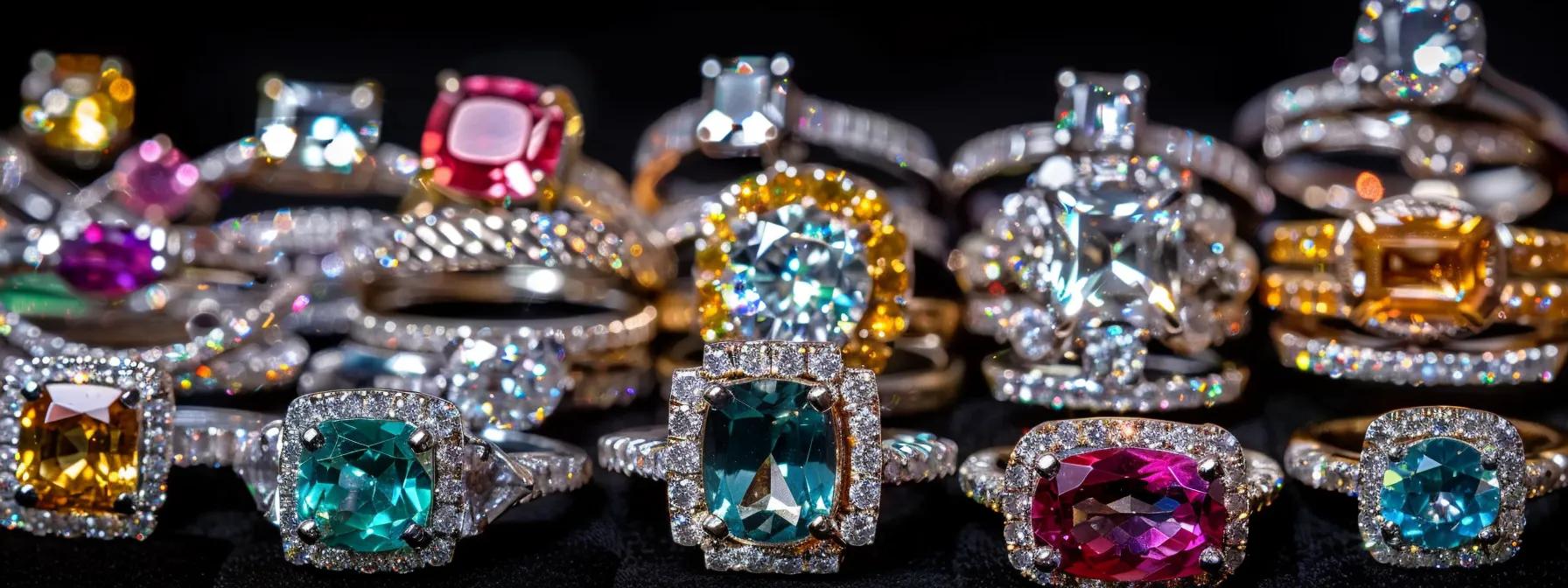
Gemstone selection is pivotal for both aesthetics and cost. While the metal sets the structure, the inclusion of gemstones—especially diamonds—significantly influences pricing.
Diamond Carat Weight and Its Direct Effect on Cost
Diamond price increases nonlinearly with carat weight. A small increase in weight (e.g. from 1.0 to 1.2 carats) can lead to a disproportionate jump in cost because larger diamonds are rarer.
The Four Cs: Clarity, Cut, Color and Their Price Ramifications
Beyond carat, diamond quality is measured by clarity, cut, and color. Fewer inclusions (higher clarity), an excellent cut, and a near-colorless stone command higher prices. Buyers may trade a slight reduction in carat weight for improved clarity or cut, balancing aesthetics and cost.
Colored Gemstone Selections and Price Fluctuations
Colored gemstones such as sapphires, emeralds, rubies, and tourmaline offer unique vibrancy. Their prices depend on rarity, origin, and treatment. While natural sapphires are generally less expensive than diamonds, rare colors or treated stones can command premium prices.
Lab-Grown Gemstones Versus Natural Stones Cost Analysis
Lab-grown gemstones mimic natural ones chemically and physically but are typically offered at lower costs due to reduced scarcity and production expenses. They allow buyers to obtain larger or higher-quality stones within a similar budget yet may lack some perceived prestige.
Design Complexity and Its Impact on Female Wedding Ring Pricing
More complex designs increase labor and production time, which raises costs.
Intricate Patterns and Handcrafted Details Raising Costs
Detailed patterns, filigree, and milgrain edges require exceptional craftsmanship, increasing production time and risk of error. Clients seeking a unique, handcrafted look are typically prepared to pay a premium.
Engraving Personalizations and Their Price Additions
Custom engravings add sentimental and aesthetic value. Pricing depends on length, complexity, and whether the engraving is manual or automated. Personal inscriptions or decorative patterns increase labor costs.
Unique Band Shapes and Their Influence on Manufacturing Expense
Nontraditional band shapes (asymmetrical, twisted, or curved) require specialized techniques and sometimes custom molds, leading to higher material waste and labor costs compared to simple, standard shapes.
Mixed Metal Designs and Associated Cost Factors
Combining different metals enhances contrast and style but also requires additional steps like soldering and precision finishing. This complexity increases both material usage and labor, resulting in a higher overall price.
The Effect of Filigree or Milgrain Details on the Ring's Value
Finely detailed filigree or milgrain work adds exclusivity and beauty, but due to its labor-intensive nature, it significantly increases cost.
How Ring Width and Thickness Customization Options Affect Price
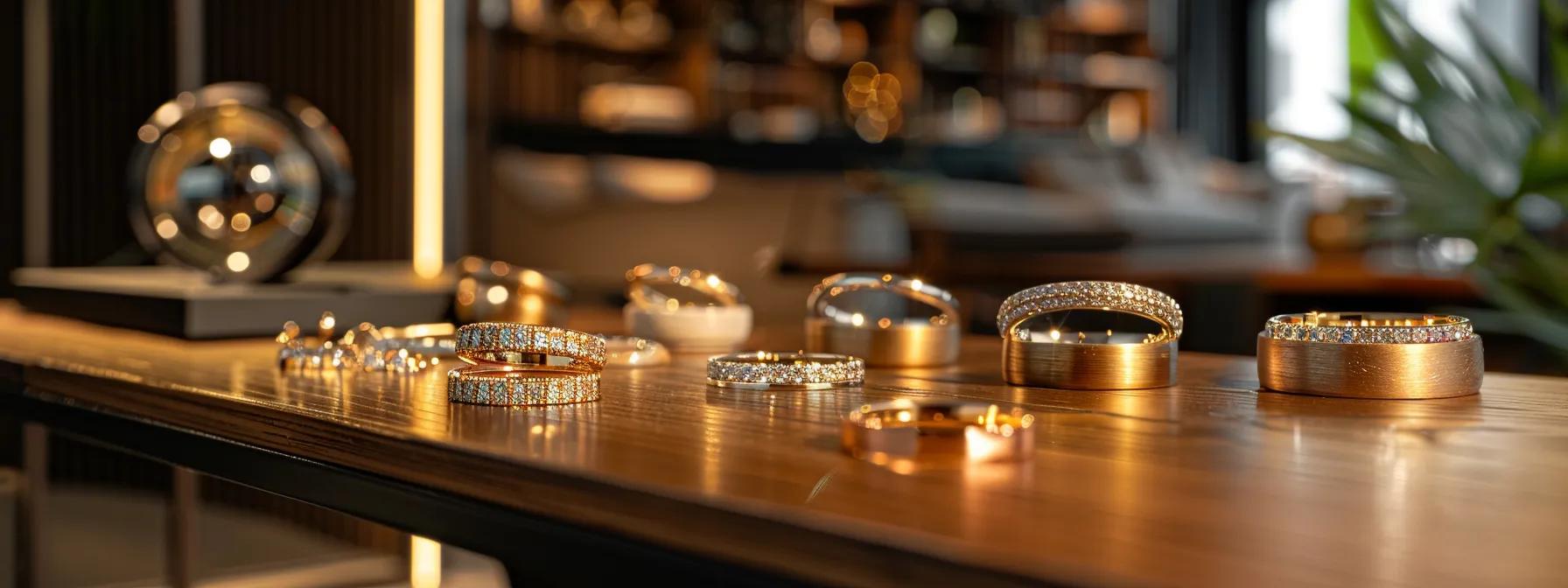
Ring dimensions directly affect both material consumption and production complexity.
Broader Band Designs Requiring More Material and Higher Costs
Wider bands use more precious metal and amplify the impact of additional design elements like gemstone settings. This increased material usage and the need for robust construction drive up the price.
Thicker Profiles and Their Contribution to Increased Expense
Thicker rings use extra metal and require higher precision in manufacturing to support larger stone settings. Even a minor increase in thickness can result in a significant price jump.
Delicate Bands and Potential Cost Savings
Slimmer, minimalist bands use less material and have simpler production processes, resulting in lower costs. Though they create a more understated look, their elegance appeals to many couples seeking a refined style.
The Jeweler or Designer's Role in Custom Wedding Ring Costs
The jeweler or designer’s skill, reputation, and sourcing practices greatly impact final pricing. Their personalized service, artisan skill, and attention to detail often justify a premium.
Brand Reputation and Its Bearing on Custom Ring Prices
Well-known brands that invest in quality control and innovative designs often charge higher prices. Buyers are willing to pay more for the assurance of durability, authenticity, and superior customer service.
Artisan Skill and Labor Charges for Bespoke Creations
Skilled artisans charge higher labor rates for intricate, handcrafted details. These labor costs can add 15–25% to the overall price, reflecting the value of custom work that transforms a ring into a unique heirloom.
Sourcing Unique Materials and How It Affects the Final Price
Using ethically sourced or rare materials increases costs due to extra quality checks and exclusive supplier sourcing. These practices enhance quality and meet ethical standards that many modern buyers value.
Finishing Touches and Special Features That Alter Wedding Ring Prices
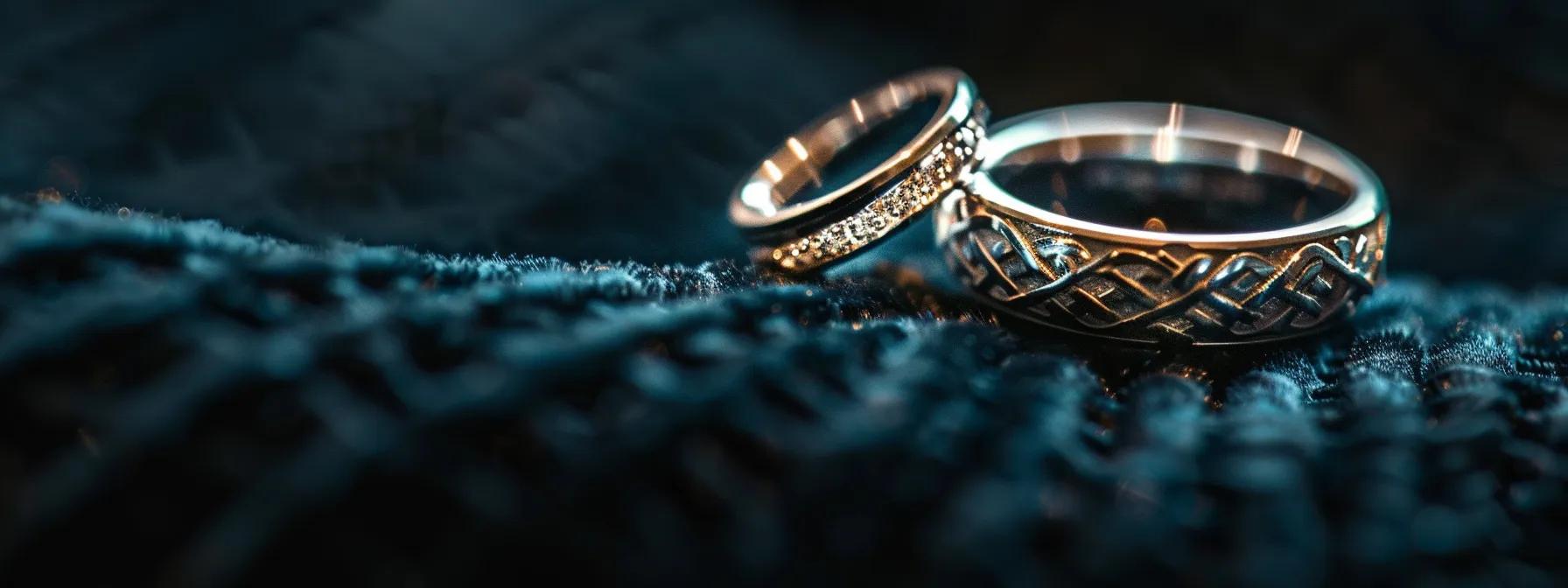
Final finishing touches can significantly enhance both the visual appeal and durability of the ring.
Matte Versus Polished Finishes and Price Variances
A polished finish offers a classic, reflective look while a matte finish provides a modern, understated style. Matte finishes require extra processes like sandblasting, which can increase costs by 5–10%, despite offering better scratch resistance.
Rhodium Plating for White Gold and Its Added Cost
Rhodium plating on white gold gives a bright, mirror-like finish and protects against tarnish. This process typically adds an extra 5–10% to the price while enhancing durability.
Setting Styles for Stones and Their Price Implications
Different gemstone settings (prong, bezel, channel, pavé) require varying levels of labor. More complex settings such as pavé can add 15–20% due to the precision required, whereas simpler prong settings are more economical.
Incorporation of Vintage Elements and Their Effect on Expense
Vintage accents like filigree or milgrain require specialized restoration and additional labor. Although this increases cost by roughly 10–15%, it results in a unique, timeless aesthetic.
Final Thoughts
In summary, the cost of a custom women's wedding ring is influenced by metal selection, gemstone choices, design complexity, ring dimensions, and the jeweler’s role. Every decision—from choosing a high-karat gold versus platinum, to opting for intricate engravings or a minimalist band—affects both aesthetics and overall pricing.
Understanding these factors allows buyers to balance material quality, craftsmanship, and design features, ensuring that their ring not only symbolizes their love but also serves as a durable, stylish heirloom. Work closely with a reputable jeweler to achieve a design that is as practical as it is beautiful.
Ultimately, the perfect ring reflects your unique story and maintains timeless appeal for future generations. Embrace customization with knowledge and purpose, and let your choices shine as brightly as your love.
Frequently Asked Questions
Q: How does metal selection affect the cost of a women's wedding ring? A: Each metal—whether high‐karat gold, platinum, white gold, or alternative metals—has unique material costs and fabrication challenges. Higher purity and denser metals like platinum typically drive up the price due to increased raw material and labor expenses.
Q: What impact do gemstone choices have on wedding ring pricing? A: Gemstone cost is influenced by carat weight, clarity, cut, and color. Larger or higher-quality stones, as well as complex settings, can significantly raise the price, whereas lab-grown options offer a more budget-friendly alternative.
Q: In what ways does design complexity influence the cost of a custom wedding ring? A: Intricate designs with handcrafted details, custom engravings, or mixed metal work increase labor and production time, thereby raising the overall cost.
Q: How do ring width and thickness customization options affect pricing? A: Wider or thicker bands require more material and advanced manufacturing, leading to higher prices. Conversely, delicate, minimalist bands use less material and are simpler to make, reducing the cost.
Q: What is the role of the jeweler or designer in determining the price of a custom wedding ring? A: A reputable jeweler’s expertise, artisan skill, and sourcing capabilities considerably affect pricing. Their personalized consultation and design processes ensure craftsmanship and quality, justifying a premium.
Q: Are finishing touches like rhodium plating and engraving worth the extra cost? A: Yes, these finishing touches enhance the ring’s aesthetic appeal and durability. Although they add 5–10% or more to the cost, they provide lasting benefits and individuality.
Q: Can I balance cost and customization without compromising on quality? A: Absolutely. By prioritizing elements such as metal purity, gemstone quality, and design complexity—and by working with an experienced jeweler—you can achieve a beautifully customized ring that fits both your style and budget.


